For many organisations, video performance still feels unpredictable. One video performs well, another struggles—and the difference isn’t always obvious. This uncertainty often leads to guesswork, opinion-based decisions, or assumptions about what audiences “probably” prefer.
This is where video A/B testing becomes invaluable.
By using data to test video thumbnails and calls to action (CTAs), organisations can move away from instinct-led creative decisions and toward evidence-based improvement—without increasing production budgets or overhauling campaigns.
At Title Productions, we help brands and organisations understand how creative choices affect real-world results and how small, measurable changes can deliver meaningful conversion lifts over time.
Why Data Matters in Creative Decisions
Creative content is often treated as subjective—something that can’t be measured in the same way as paid media or web performance. In reality, creative elements such as thumbnails, titles, and CTAs have a direct and measurable impact on how audiences behave.
When organisations explore video A/B testing, they are usually trying to answer practical questions:
- Why are people not clicking?
- Why do viewers drop off early?
- Why does one video convert better than another?
Data provides clarity where opinions cannot.
Rather than redesigning entire videos, testing allows teams to refine what already exists—making creative more effective without unnecessary cost.
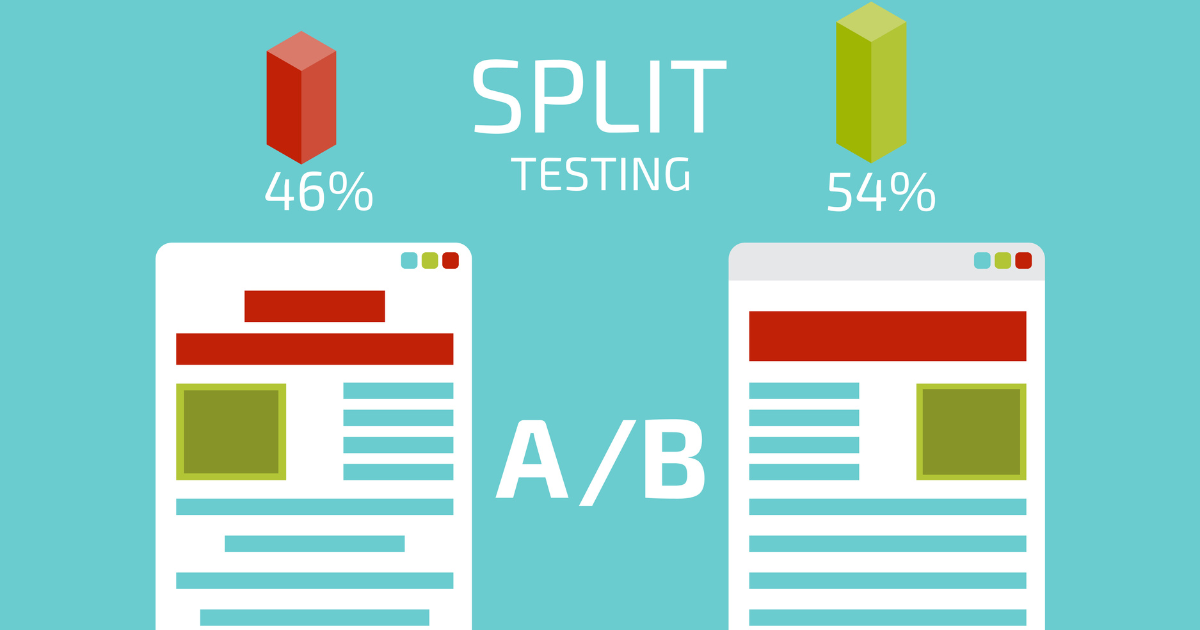
What Video A/B Testing Actually Involves
A/B testing video content does not mean creating two completely different videos.
In most cases, it involves testing one variable at a time, such as:
- A video thumbnail
- A headline or caption
- A call-to-action placement or message
By keeping the core video consistent and changing only one element, performance differences can be attributed clearly and confidently.
This approach is particularly effective for organisations already investing in professional video through services like our video media services, where the focus shifts from creating more content to making existing content work harder.
Why Thumbnails Have a Bigger Impact Than Most People Expect
The thumbnail is often the first and only chance a video has to earn attention.
Before viewers hear your message, understand your brand, or see your production quality, they respond to a single visual decision. This makes thumbnail testing one of the most impactful forms of video A/B testing.
Effective thumbnail testing focuses on:
- Clarity over creativity
- Relevance over aesthetics
- Human cues over abstract visuals
Small differences—such as facial expression, framing, contrast, or text placement—can significantly affect click-through rates.
In our Our Work portfolio, we’ve seen how thumbnail decisions influence engagement long before viewers press play.
Testing CTAs: Turning Views Into Action
A strong video does not automatically lead to action.
Many organisations assume that if a video is engaging, viewers will intuitively know what to do next. In reality, unclear or poorly timed CTAs are one of the most common reasons video content underperforms.
CTA testing focuses on:
- Message clarity (what are we asking viewers to do?)
- Timing (when is the CTA shown or mentioned?)
- Format (on-screen text, voiceover, button placement)
For example, a CTA that works well for brand awareness may not perform in a consideration or decision stage.
By testing CTAs systematically, organisations can identify which messages drive:
- Enquiries
- Sign-ups
- Downloads
- Purchases
This is particularly valuable for campaigns tied to service pages, consultations, or lead generation—where conversion lift directly affects business outcomes.

How to Run a Simple Video A/B Test (Without Overcomplicating It)
Start With a Clear Objective
Every test should begin with a single, measurable goal.
This could be:
- Increasing click-through rate
- Improving watch time
- Driving more enquiries
Without a clear objective, results become difficult to interpret and act on.
Test One Variable at a Time
Effective video A/B testing relies on focus.
Changing too many elements at once makes it impossible to identify what caused performance changes. Whether testing thumbnails or CTAs, isolate one variable and keep everything else consistent.
Allow Enough Time for Meaningful Results
Short tests can be misleading.
To ensure results are reliable, tests should run long enough to gather sufficient data. This is especially important for organisations with lower traffic volumes, where premature conclusions can lead to poor decisions.
Using Test Results to Improve Future Creative
The real value of A/B testing lies not just in choosing a winner, but in understanding why it performed better.
Over time, patterns emerge:
- Which visual styles attract attention
- Which CTAs resonate with specific audiences
- Which messages reduce friction
These insights can inform future video projects, helping organisations brief creative work more effectively and avoid repeating mistakes.
This is where strategic planning—combined with production—creates lasting value.
Why Professional Insight Still Matters
While platforms provide data, interpretation requires experience.
Without context, numbers can be misread or oversimplified. Working with a professional team helps ensure that creative decisions remain aligned with:
- Brand positioning
- Audience expectations
- Campaign objectives
At Title Productions, we support clients not just in creating video, but in optimising performance—using insight to guide creative refinement rather than relying on assumptions.
Making Testing Part of a Smarter Video Strategy
A/B testing works best when it is treated as an ongoing process, not a one-off experiment.
When organisations integrate testing into their wider video strategy, they benefit from:
- Continuous improvement
- Better ROI from existing content
- More confident creative decisions
- Measurable conversion lift
This approach transforms video from a static asset into an evolving performance tool.

Final Thoughts: Let Data Guide Creative Confidence
Creative decisions don’t need to be uncertain.
By using video A/B testing to refine thumbnails and CTAs, organisations can improve engagement, increase conversions, and make better use of the video content they already have.
If you’re ready to move from guesswork to insight and want to explore how testing can improve your video performance:
Run a thumbnail test by getting in touch with Title Productions and let’s explore how data can strengthen your creative strategy.